

How to Make a Small Living Room Look More Spacious
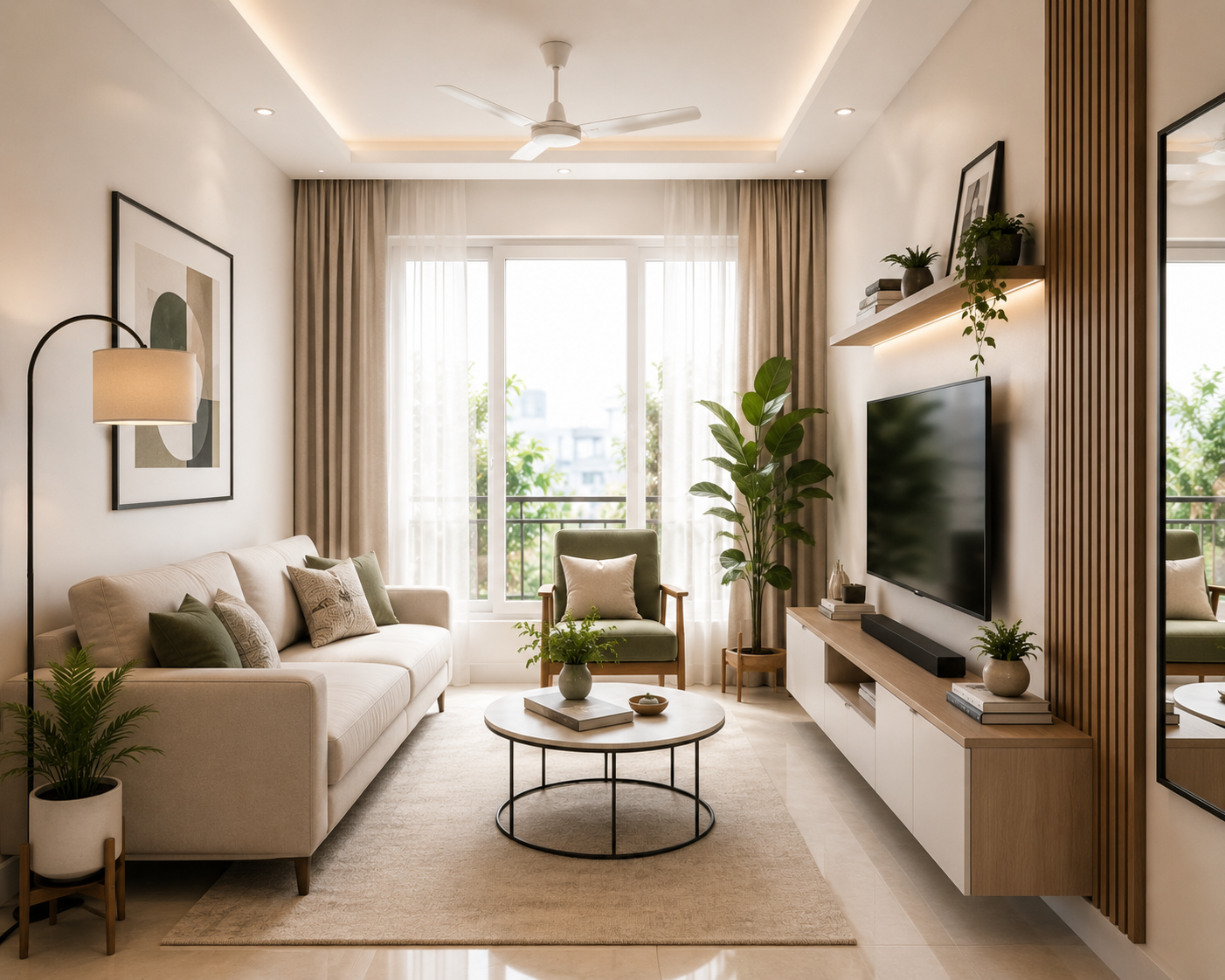
A small living room does not have to feel cramped or uncomfortable. With the right interior design choices, even a compact space can look open, organised, and welcoming. The key is to use the available space carefully without filling it with unnecessary furniture or decoration.
If you are planning the interior of a small living room, here are some simple ideas that can make a noticeable difference.
Choose the Right Size of Furniture
One of the biggest mistakes in a small living room is choosing furniture that is too large for the available space. A bulky sofa or oversized centre table can quickly make the room feel crowded.
Instead, choose furniture that is proportionate to the room. A compact sofa, slim chairs, and a smaller coffee table can provide enough seating while leaving comfortable walking space.
Furniture with visible legs can also create a lighter appearance because more of the floor remains visible.
Use Light Colours
Colours have a strong influence on how spacious a room feels. Light shades such as white, beige, cream, soft grey, and pastel tones can reflect more light and make the walls appear less dominant.
You do not have to make the entire room plain. Add colour through cushions, artwork, rugs, curtains, or small decorative pieces. This gives the room personality without making it visually heavy.
Make the Most of Natural Light
Natural light can make a small living room feel considerably larger. Avoid blocking windows with large furniture or heavy curtains.
Use lightweight curtains or blinds that allow daylight to enter the room. If privacy is a concern, sheer curtains can provide a good balance between privacy and natural light.
A bright room naturally feels more open and comfortable during the day.
Add Mirrors Carefully
Mirrors are a simple interior design trick for compact spaces. A strategically placed mirror can reflect light and create the impression of greater depth.
A large mirror on one wall can work particularly well in a small living room. You can also use mirrored cabinet doors or smaller decorative mirrors, depending on the style of the interior.
However, avoid using too many mirrors. One well-positioned mirror is often more effective than several smaller ones.
Choose Multi-Functional Furniture
When space is limited, every piece of furniture should ideally serve a purpose. Multi-functional furniture can help you get more use out of the same area.
For example, an ottoman can work as additional seating as well as a storage unit. A nesting table can provide extra surface space when required and be tucked away when it is not needed.
Similarly, a TV unit with integrated storage can keep books, electronics, and everyday items organised while reducing visual clutter.
Keep the Floor Clear
The more visible floor you have, the more spacious the room can appear. Avoid placing too many unnecessary pieces of furniture on the floor.
Wall-mounted shelves and storage units can be useful alternatives to bulky floor-standing cabinets. They provide storage while keeping the lower portion of the room relatively open.
This is particularly helpful in compact apartments where every square foot matters.
Use Vertical Space
When there is limited floor space, look upwards. Tall storage units, vertical shelves, and full-height cabinets can make better use of the walls.
For example, a floor-to-ceiling storage unit can provide considerably more storage than a short cabinet while creating a clean, integrated appearance.
Vertical lines can also make the ceiling appear higher, contributing to a more spacious feeling.
Keep the Décor Simple
Small rooms can easily become visually crowded when too many decorative items are added. Instead of displaying everything at once, choose a few pieces that have meaning or complement the overall interior.
A statement artwork, a couple of cushions, a simple rug, or a small indoor plant may be enough to add character.
The goal is not to remove personality from the room but to create a sense of balance.
Plan the Layout Before Finalising the Interior
A good layout can make even a small living room comfortable. Before finalising furniture, consider how people will enter, leave, sit, and move around the room.
Keep important pathways clear and avoid pushing every piece of furniture against the walls simply because the room is small. Sometimes creating a little breathing space around furniture can make the entire arrangement feel more balanced.
Professional interior planning can be especially useful when working with unusual room shapes or limited floor areas.
Make Small Spaces Feel Like Home
A compact living room can be just as stylish and comfortable as a larger one. The secret is thoughtful planning rather than trying to fit as much furniture as possible into the room.
Choose appropriately sized furniture, use light effectively, make storage practical, and keep the overall design uncluttered. With these simple principles, a small living room can feel comfortable, functional, and beautifully designed.


Add a comment